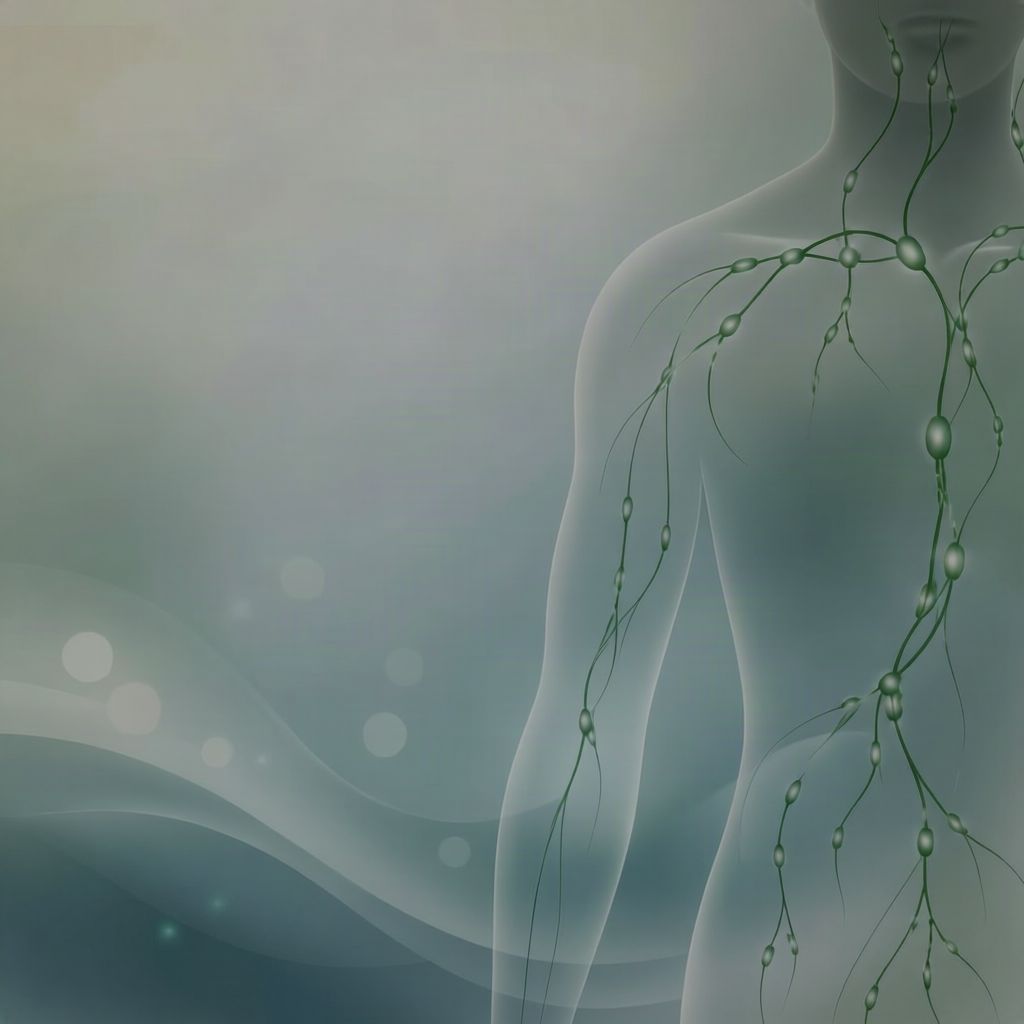
Beyond the Scar - Restoring Comfort, Movement & Confidence
Oncology Scar Treatment:
Supporting Your Body's Healing After Cancer
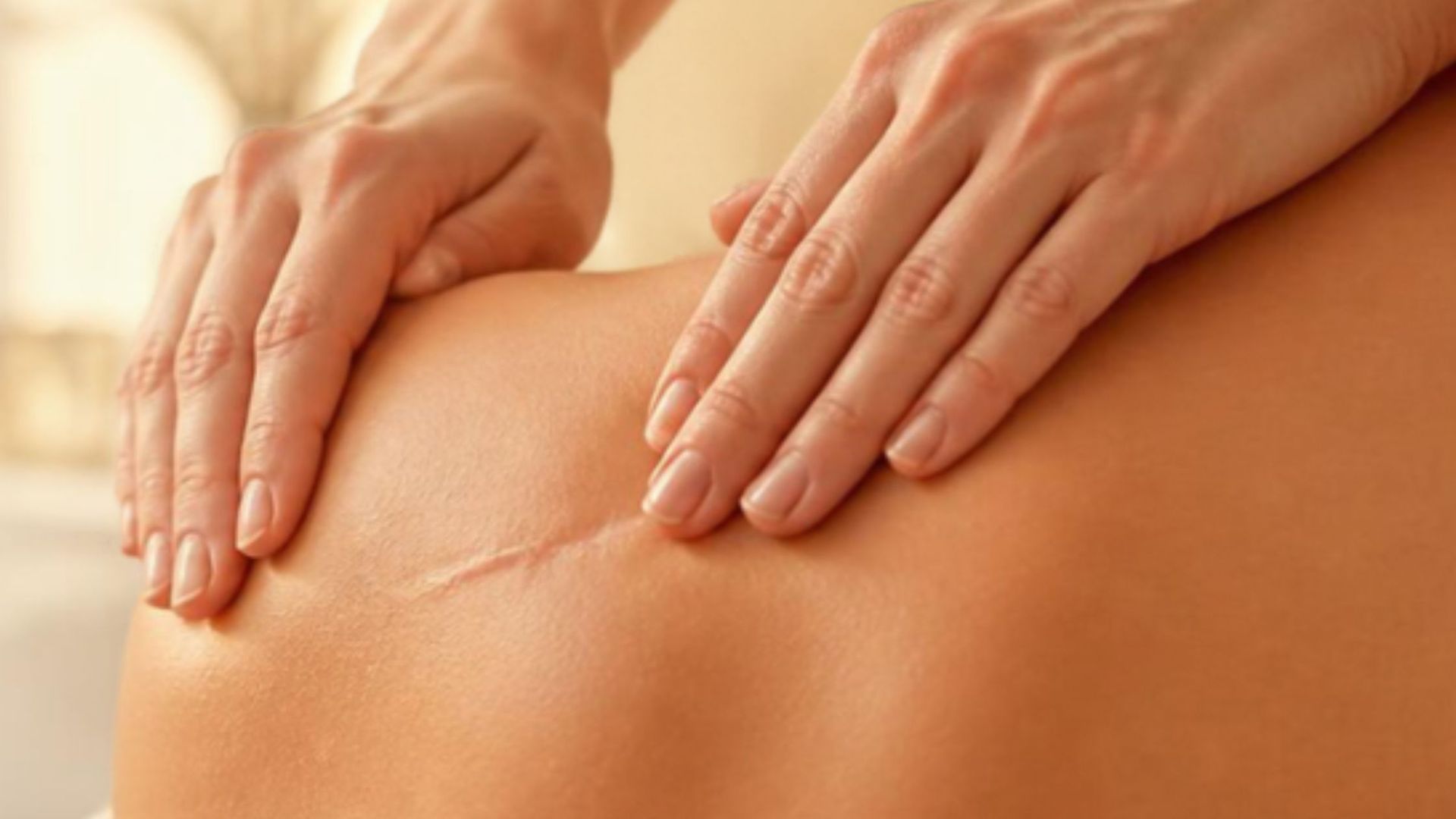
Cancer treatment can be life-changing, and while the focus is often on treating the cancer itself, the physical effects of treatment can continue long after the medical journey has finished.
Surgery, radiation therapy and other cancer treatments can leave behind scars and changes to the skin, underlying tissue and lymphatic system.
For some people, these changes may cause tightness, discomfort, restricted movement, sensitivity or a feeling of being disconnected from their bodies.
What is scar treatment?
Scar treatment is a specialised approach to managing the physical effects of scar tissue following surgery, injury or medical treatment.
Whenever the skin or underlying tissue is damaged, the body initiates a natural healing process to repair the area. Collagen fibres form to close and strengthen the wound, creating scar tissue. Although this is an essential part of healing, scar tissue is not always as flexible or elastic as the original tissue.
Depending on the location, depth and nature of the injury, scar tissue can sometimes become thickened, tight, sensitive or restricted. It may also adhere to the surrounding tissues, potentially affecting how the skin, muscles and connective tissues move.
Scar treatment focuses on supporting the mobility, flexibility and comfort of the healed tissue. Depending on the individual, treatment may involve gentle scar mobilisation, specialised manual techniques, lymphatic therapy, appropriate technology and home-care strategies.
Scar treatment may help to address:
- Tightness and restricted movement: Scar tissue may limit the natural movement of the skin and underlying tissues.
- Pain and discomfort: Some scars can remain tender, sensitive or uncomfortable long after the initial wound has healed.
- Adhesions: Scar tissue may become less mobile and adhere to surrounding structures, contributing to a pulling or tethered sensation (cording is a very common side effect of cancer treatment).
- Changes in sensation: Numbness, tingling, hypersensitivity or altered sensation may occur around a scar following surgery or other treatments.
- Swelling and tissue changes: Surgery and damage to lymphatic pathways can contribute to local swelling and changes in tissue texture.
- Appearance and confidence: Changes in the colour, texture or appearance of scars may affect how a person feels about their body.
Why is oncology scar treatment different?
Oncology scar treatment requires a particularly specialised and considered approach. Unlike many routine surgical scars, scars associated with cancer treatment may involve several layers of tissue damage and changes to the body's healing processes.
People recovering from cancer may have undergone multiple procedures or treatments, including surgery, lymph node removal, chemotherapy and radiation therapy. Each of these can affect the body differently, and their combined effects need to be carefully considered.
1. The impact of radiation therapy
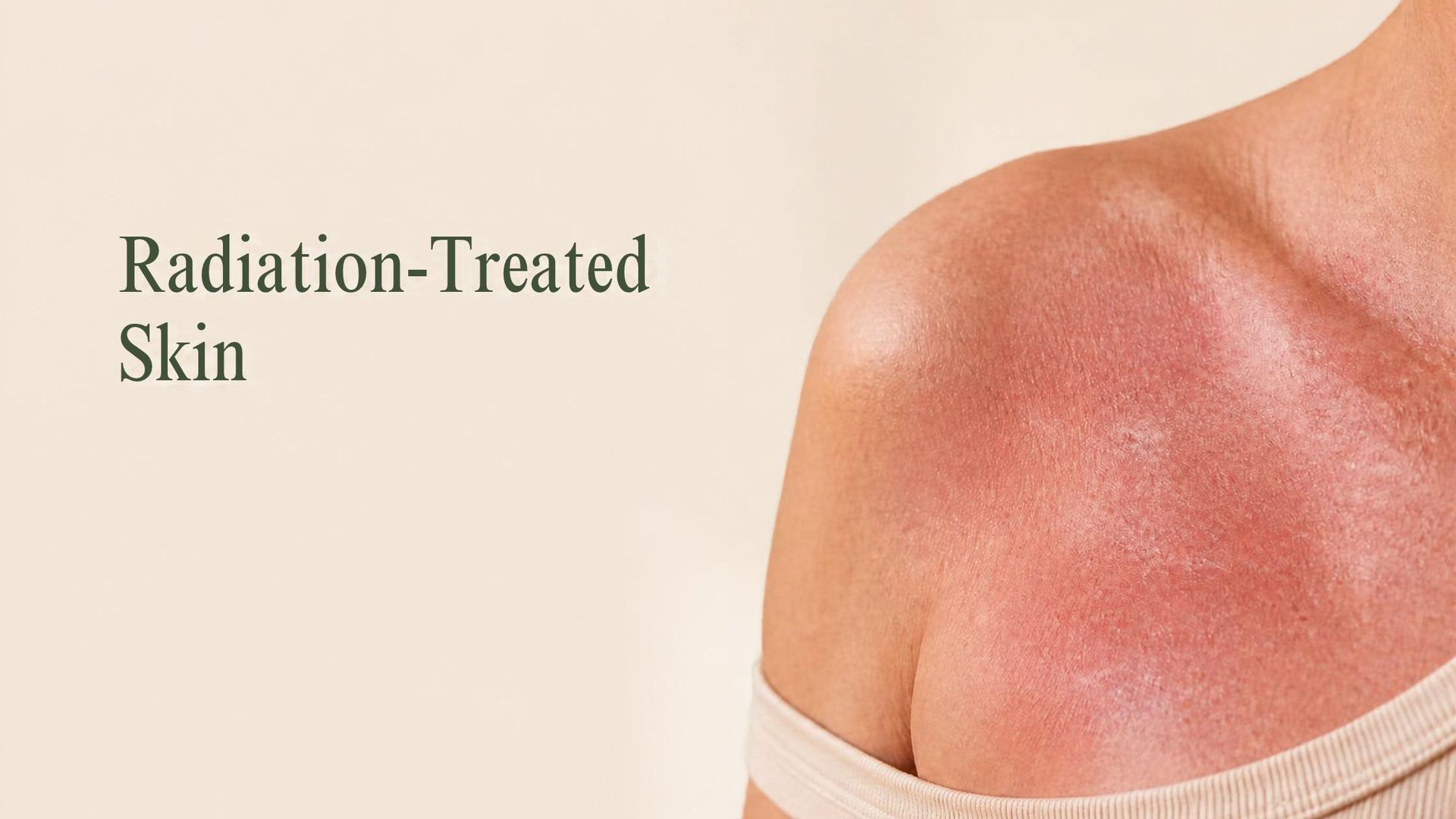
Radiation therapy is an important cancer treatment, but it can also affect healthy tissues within the treatment area.
Radiation may cause changes to the skin, blood supply, collagen and connective tissues. Some people experience dryness, sensitivity, changes in skin pigmentation or reduced tissue elasticity. Longer-term changes can include fibrosis, where tissue becomes thicker, firmer and less flexible.
These changes can sometimes lead to tightness, discomfort and restricted movement, particularly around the breast, chest wall, shoulder, neck or other treated areas.
Radiated tissue may also be more fragile or sensitive, meaning that traditional scar massage techniques may not be appropriate. Treatment must be adapted to the condition of the skin and underlying tissues, with medical guidance where necessary.
At Quintessential Care, we take particular care to assess the effects of radiation therapy and ensure that any treatment is appropriate for your stage of recovery.
2. Delicate tissue and altered healing
Cancer treatments can place considerable demands on the body. Surgery, chemotherapy and radiation therapy may all influence tissue health, skin sensitivity, energy levels and healing.
Some people may experience delayed wound healing, increased bruising, altered sensation or heightened sensitivity. Others may have areas of numbness or reduced awareness around their scars.
This means that oncology scar treatment cannot follow a one-size-fits-all approach. Techniques, pressure, treatment duration and the areas treated must be carefully tailored to each person's health, recovery and comfort.
3. Changes to the lymphatic system
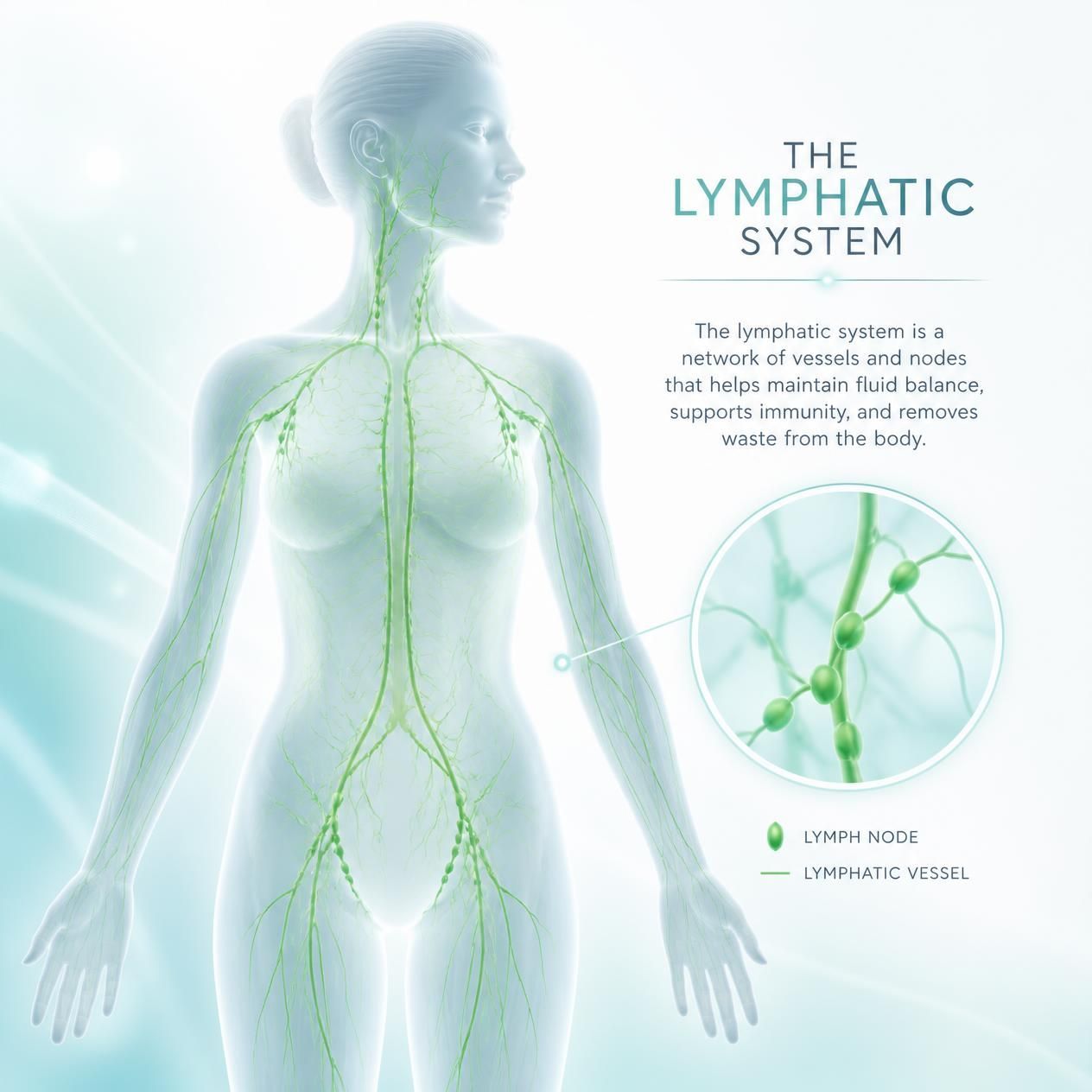
The lymphatic system plays an essential role in maintaining fluid balance, supporting immune function and transporting lymph throughout the body.
Cancer surgery may involve the removal of lymph nodes, while radiation therapy can affect lymphatic vessels and surrounding tissues. These changes may increase the risk of developing lymphoedema, a condition that causes swelling due to impaired lymphatic drainage.
Scar tissue and reduced tissue mobility may also contribute to changes in movement and comfort around affected areas.
For people who have undergone lymph node removal or radiation therapy, scar care needs to consider the health of the lymphatic system.
Appropriate lymphatic therapy may form part of a broader management plan for people experiencing lymphoedema.
4. Emotional and psychological considerations
Cancer treatment can have a profound emotional impact. Scars may serve as a constant reminder of a difficult time, and changes to the body can affect self-confidence, body image and the relationship a person has with themselves.
For some people, the thought of having their scars touched can feel confronting or overwhelming.
Oncology scar treatment recognises that emotional wellbeing is just as important as physical comfort. A calm, respectful and compassionate environment, where you remain in control of your treatment, can make a meaningful difference to the experience.
What happens if scars are left untreated?
It is important to understand that not every scar requires professional treatment. Many scars heal well naturally, gradually softening and becoming less noticeable over time.
However, some scars can develop longer-term changes that may affect comfort, mobility and daily activities.
Without appropriate management, problematic scars may continue to contribute to:
- Persistent tightness: Restricted tissue mobility may cause pulling or tension when stretching, reaching or moving.
- Reduced range of motion: Scars around joints, the chest or shoulder may contribute to difficulty moving comfortably.
- Ongoing discomfort: Some people experience tenderness, sensitivity, itching or pain around their scars.
- Tissue adhesions and fibrosis: In some cases, scar tissue or radiation-related fibrosis can become increasingly restrictive.
- Functional limitations: Tightness or reduced mobility may make everyday activities such as dressing, reaching overhead, exercising or sleeping more difficult.
- Lymphatic concerns: People with disrupted lymphatic pathways may develop lymphoedema, which requires appropriate assessment and management.
Early recognition of problematic scars can be helpful, as it allows appropriate support to be considered before symptoms have a greater impact on daily life.
However, scar treatment cannot guarantee that fibrosis, adhesions or lymphoedema will be prevented or reversed. If you are experiencing new swelling, increasing pain, redness, warmth, skin breakdown or sudden changes to a scar, it is important to seek medical assessment.

What happens during an oncology scar treatment session?
At Quintessential Care, every oncology scar treatment session is tailored to the individual. We understand that no two cancer journeys are the same, and your treatment should reflect your medical history, current health and personal goals.
1. A comprehensive initial consultation
Your first session begins with a conversation about your cancer journey, surgical procedures, radiation therapy, chemotherapy and any other treatments you have received or are currently undergoing.
We discuss your concerns, symptoms, recovery progress and what you would like to achieve through scar treatment.
We may explore:
- The location, age and condition of your scars.
- Any tightness, discomfort, sensitivity or restricted movement.
- Changes in sensation or tissue texture.
- Your lymphatic health and any history of lymphoedema.
- Your current medical treatment and any relevant precautions.
Where necessary, we will seek guidance or clearance from your treating medical team before proceeding.
2. Gentle scar and tissue assessment
We assess the scar and surrounding tissues, taking into consideration skin integrity, tissue mobility, sensitivity and any visible or palpable changes.
This helps us understand how the scar may be affecting the surrounding structures and identify areas that may benefit from gentle, targeted treatment.
Your comfort, consent and privacy are always a priority. You are welcome to discuss any concerns about touch or positioning, and we will adapt the session accordingly.
3. Individualised scar mobilisation
Where clinically appropriate and once the tissues are fully healed, gentle manual scar mobilisation techniques may be used to support tissue mobility and flexibility.
These techniques are designed to work with the body's healing tissues rather than apply excessive force. The pressure and approach are adapted to your individual needs, particularly if you have experienced radiation therapy or have sensitive tissue.
Treatment should never be painful, and we will regularly check in with you throughout the session.
4. Advanced technology to support recovery
At Quintessential Care, we incorporate advanced technology into our approach to scar and lymphatic care, where appropriate.
Our technology includes:
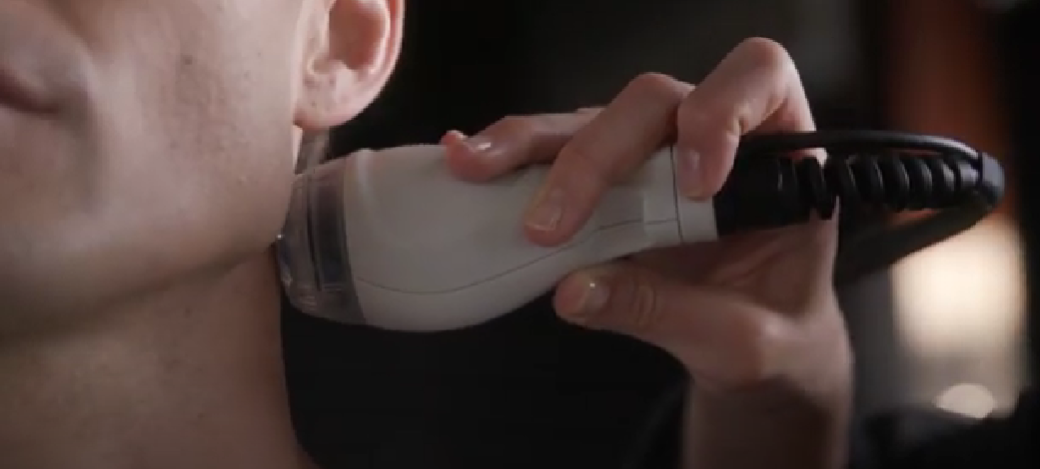
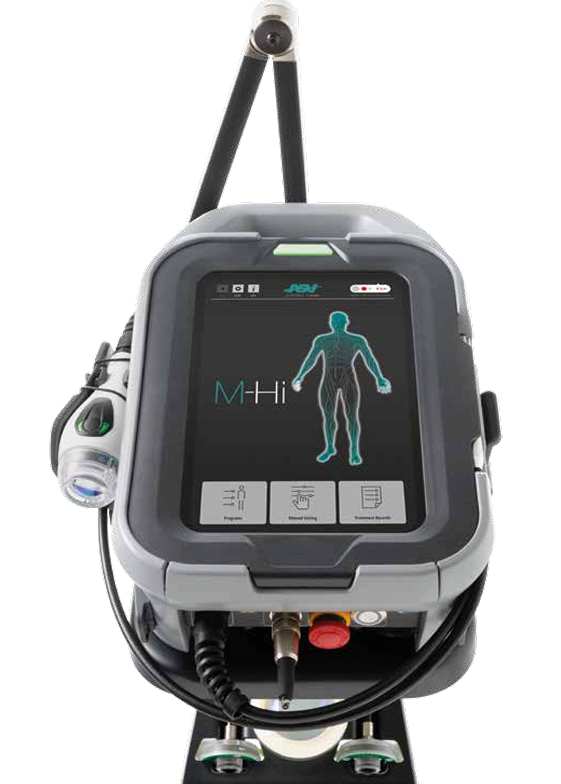
- ASA MLS Medical Laser Therapy: MLS (Multiwave Locked System) laser therapy uses specific wavelengths of light to deliver photobiomodulation. Depending on the clinical indication, it may help support cellular processes involved in tissue repair and may assist with pain and inflammation management.
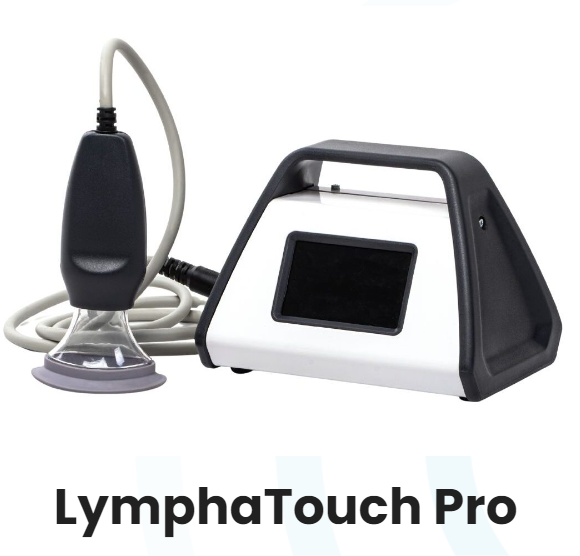
- Lymphatouch technology: Lymphatouch is a specialised device that combines negative pressure with mechanical vibration. It can be used as part of selected soft-tissue and lymphatic treatment approaches to assist tissue mobilisation and support comfort. Its use is carefully adapted to the individual's tissue condition and lymphatic needs.
These technologies may complement appropriate hands-on treatment and form part of an individualised recovery plan.
They are not a replacement for medical care, and their suitability depends on your health, treatment history and the condition of the tissue being treated.
5. Lymphatic support
For clients who may benefit from lymphatic care, appropriate gentle lymphatic techniques may be incorporated into the treatment plan.
This is particularly relevant for people who have undergone lymph node removal or radiation therapy and may be at risk of lymphoedema.
As a lymphoedema specialist, I understand the importance of considering the lymphatic system when treating oncology-related scars. Any lymphatic treatment is tailored to your presentation and, where required, coordinated with your broader healthcare team.
6. Aftercare and ongoing support
Following your session, we discuss how your tissues have responded and provide appropriate aftercare recommendations.
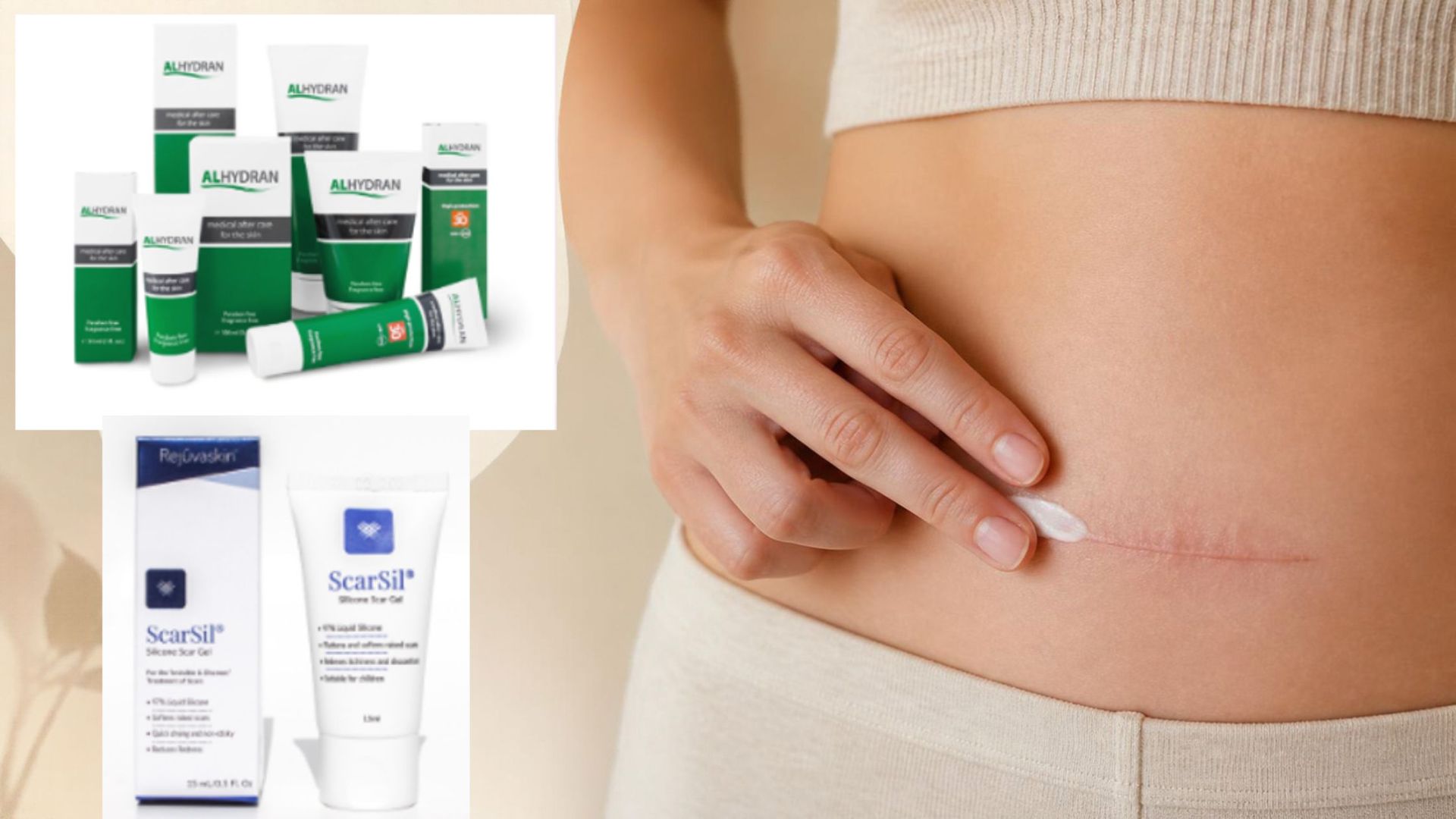
Depending on your needs, this may include gentle movement, suitable moisturising once the skin is fully healed, scar-care techniques or guidance on when to seek further medical or allied health support.
We can also discuss a treatment plan based on your goals, your body's response and your recovery progress. Some people may benefit from a series of sessions, while others may need only occasional support.
How can oncology scar treatment help you?
The potential benefits of scar treatment depend on the type of scar, the extent of tissue changes and your overall health.
For suitable clients, treatment may help to:
- Improve the mobility and flexibility of healed scar tissue.
- Reduce the sensation of tightness or pulling (reducing the impact of cording).
- Support more comfortable movement and stretching.
- Address local tissue restrictions.
- Improve comfort in areas affected by surgery.
- Complement lymphoedema management where appropriate.
- Support a more positive relationship with your body following cancer treatment.
Why choose Quintessential Care for oncology scar treatment?
At Quintessential Care, we believe that every person deserves specialised, compassionate care throughout their cancer recovery journey.
As a massage therapist and lymphoedema specialist, I understand the complex physical changes that can occur following cancer treatment and the importance of approaching these changes with knowledge, care and sensitivity.
I have undertaken specialised training as a Restore Scar Therapy Practitioner and Restore Oncology Scar Specialist, providing a focused understanding of scar management and the unique considerations involved in supporting people affected by cancer. I am also an Advanced Practitioner in Oncology Massage and a Lymphoedema Therapist.
Quintessential Care combines this specialised training with advanced technology, including ASA MLS Medical Laser Therapy and Lymphatouch, to offer an individualised approach to scar and lymphatic care.
Our treatment philosophy is built around:
- Specialised knowledge: Understanding the impact of cancer surgery, radiation therapy and changes to the lymphatic system.
- Gentle, individualised care: Adapting each treatment to your health, comfort, tissue condition and recovery goals.
- Advanced technology: Incorporating appropriate modern therapeutic technologies to complement hands-on care.
- A compassionate environment: Providing a safe, respectful space where you feel heard, supported and in control of your treatment.
- A whole-person approach: Recognising that recovery involves physical comfort, movement, emotional wellbeing and confidence.
Located at the Lymph Movement Studio in Adelaide, Quintessential Care is dedicated to supporting people through their recovery with specialised scar care and lymphatic wellness.
Your recovery journey deserves specialised care
Cancer treatment can leave lasting physical changes, but you do not have to navigate every aspect of recovery alone.
Whether you are experiencing tightness following breast cancer surgery, restricted movement after radiation therapy, discomfort around a surgical scar or concerns about your lymphatic health, specialised scar care may be an option worth exploring.
At Quintessential Care, we take the time to understand your story, listen to your concerns and develop an approach that respects your body's needs.
Your scars are part of your journey, but they don't have to define how comfortable you feel in your body.
If you would like to learn more about oncology scar treatment or discuss whether it may be suitable for you, we welcome you to get in touch with Quintessential Care.